

👉 Please donate or share the fundraiser:
https://support.elcaminohealth.org/Sandeep-Sastry
The South Asian Heart Center, now celebrating 20 years of service, is dedicated exclusively to preventing diabetes and heart disease in South Asians through culturally tailored, science-based lifestyle programs.
Their STOP-Diabetes program has received Full Plus recognition from the CDC’s National Diabetes Prevention Program. The Center’s innovative work has been recognized by national and local leaders and cited by the American Heart Association.
The STOP-D program offers advanced risk screening and, most importantly, personalized lifestyle coaching based on M.E.D.S.: Meditation, Exercise, Diet, and Sleep.
With this structure and weekly accountability, I dropped my A1C from 9.6 to 5.8, lost nearly 20 pounds, and built habits I’ve sustained for six years.
We invest in career coaches, executive coaches, and sports coaches — yet many of us attempt to manage our health alone. A health coach changed everything for me and remains a key part of my maintenance today.
This year, I am raising $10,008 to help more families access the South Asian Heart Center’s life-changing prevention programs.
Every dollar supports culturally informed screening, education, and coaching.
👉 Donate or share the fundraiser:
https://support.elcaminohealth.org/Sandeep-Sastry
My Story: Why Accountability Became My Turning Point
I was diagnosed with Type 2 Diabetes in 2009, and because it runs on both sides of my family, I knew I couldn’t take it lightly. That began a decade-long cycle familiar to many in our community:
- starting diets, then abandoning them
- beginning exercise routines, then stopping
- feeling motivated for short periods, then derailed by work and family demands
Diabetes is an invisible disability. You can function — until you can’t. Energy, sleep, nerve health, and confidence slowly erode beneath the surface.
I first learned about the South Asian Heart Center in 2015. I even contacted them twice — but I never followed through. Like many professionals, I believed I could “manage it myself,” postponing action because life was busy.
That delay fuels my advocacy today. I want others to act sooner than I did.
A Wake-Up Call in 2019
In 2019, I began experiencing mild neuropathy — early nerve damage caused by years of inconsistent diabetes care. That was my turning point. I realized motivation was not enough. I needed:
- structure
- accountability
- medical guidance
- and a system I could follow
That’s when I finally enrolled in the STOP-D Program — the very program I knew about for years but avoided.
Weekly Coaching: The Structure That Changed Everything
For the first year, I met my health coach every Friday for 30 minutes. These weekly sessions kept me accountable, week after week, regardless of travel, stress, or setbacks. We reviewed:
- food and portion sizes
- sleep and stress
- exercise consistency
- meditation habits
- glucose readings
- progress and course correction
I kept a journal — sometimes daily, sometimes every few days — and shared it before each session. Even when I slipped, I showed up. That alone built consistency.
My Results (2019–2020):
Over time, with my medications and lifestyle regimen
✔ A1C dropped from 9.6 → 5.8
✔ Lost nearly 20 pounds
✔ Neuropathy symptoms stabilized
✔ For the first time, my doctor said: “See me in six months.”
This wasn’t perfection. It was accountability.
Six Years Later: Staying in Control
Today, I remain in the normal A1C range, not because I’m flawless, but because I have a system:
- monthly coaching sessions
- returning to journaling when numbers drift
- following MEDS principles
- monitoring glucose and adjusting early
- staying anchored despite travel or stress
There are ups and downs — but I don’t drift for months anymore. Accountability brings me back quickly.
My Advocacy Work: Raising Awareness Globally
Over the last several years, I have expanded my personal journey into public advocacy, speaking openly about diabetes, cardiometabolic health, and culturally grounded prevention.
My focus has been clear:
Create awareness. Reduce stigma. Drive early action.
📌 American Heart Association (AHA) 2017 Half Marathon
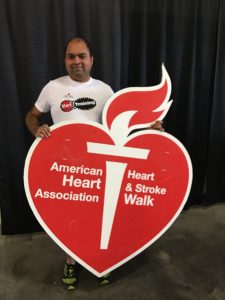
I took the bold step of enrolling into the American Heart Association (AHA) Start Training camp to run a Half Marathon on 29 April 2017. In order to keep myself accountable and motivated, I decided to blog about my 14 week Half Marathon Training.
This was my first fundraiser and I successful raised over a $1000 for the American Heart Association.
📚 14 Week Diary– https://sandeepsastry.com/14-week-half-marathon-journey-diary/
📌 The Brown Heart Documentary & Education Initiative
I eagerly recommend watching The Brown Heart, created by Dr. Nirmal Joshi and Renu Joshi, which highlights the cardiometabolic crisis within the South Asian community.
🎥 Watch the documentary: https://www.youtube.com/watch?v=PfA3kqBUDpU
📚 Education FAQ: https://www.thebrownheart.com/frequently-asked-questions

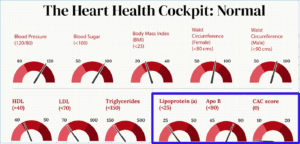
(Source- Brown Heart Website)
I have shared my insights in the Brown Heart/ South Asian Heart Center Joint Webinar. They highly recommend taking Lipoprotein (a) – one-time genetic marker test and Calcium Score test for people with family history of cardiac disease.
Tracking the above markets objectively helps individuals understand where they stand — and what requires attention.
📌 National Health Alliance
I created a 2.5 minutes video about my South Asian Heart Center Health coaching experience that is being used to target and educate Capitol Hill staff/DC beltway Healthcare policy makers.
I also contributed to National Health Council’s (NHC) focus group on understanding the motivations of patients and caregivers who are engaged in chronic disease management and care
📌 Blinkpad Let’s Talk Diabetes Health Forum
I’ve participated in a Patient Stories Panel in an event with expert-led talks focused on preventing diabetes through lifestyle choices, nutrition, and proven health strategies.
Heart-Health Jyotisha: A Complementary Lens
While modern medicine provides evidence-based tools for diagnosis, screening, and intervention, Jyotisha (Vedic Astrology) offers a complementary framework — one rooted in karmic insight, constitutional tendencies, and the timing of stress periods.
It is never a substitute for medical care, but for many South Asians who are culturally connected to Jyotisha, it serves as an additional lens for reflection and awareness.
I recently presented my Medical Astrology research on heart-disease vulnerability and timing on the respected Saptarishis Astrology platform, which was very well received. My research findings demonstrated how certain chart planetary combinations often align with constitutional sensitivity, midlife disruptions, or sudden-event windows.
This work draws from cases spanning congenital conditions, midlife cardiac events with recovery, lifestyle-triggered incidents, sudden fatalities, and individuals who remain healthy despite theoretical risk.
Used responsibly, Jyotisha can motivate earlier medical screening, reinforce lifestyle discipline, and help people recognize stress cycles — especially when combined with structured prevention programs like STOP-D, cardiometabolic labs, and ongoing coaching.
Why This Fundraiser Matters
South Asians face a uniquely high cardiometabolic burden due to genetics, visceral fat distribution, Lp(a), ApoB, and early metabolic shifts. Many people do not know their risk until a major event occurs.
Organizations like the South Asian Heart Center provide culturally informed, science-backed prevention — the type of support that changed my life. We need encourage such organizations.
A health coach gave me the accountability and support I needed to succeed—and still helps me stay on track today. Lifestyles changes are hard and sustaining them is even harder. Health coaching isn’t a panacea, but it’s one of the most effective tools we have for long-term change.
👉 Please donate or share the fundraiser:
https://support.elcaminohealth.org/Sandeep-Sastry
Together, we can help more individuals take charge of their health before it’s too late.
Related Posts
Confessions of a father of a child with disabilities
Purpose of this blog: The objective of this annual blog is to share my heart…
Confessions of a father of a child with disabilities
Purpose of this blog: The objective of this annual blog is to share my heart…
Confessions of a father of a child with disabilities
Purpose of this blog: The objective is to share my authentic experiences as well as…
Confessions of a father of a child with disabilities
Purpose of this blog: The objective is to share my authentic experiences as well as…